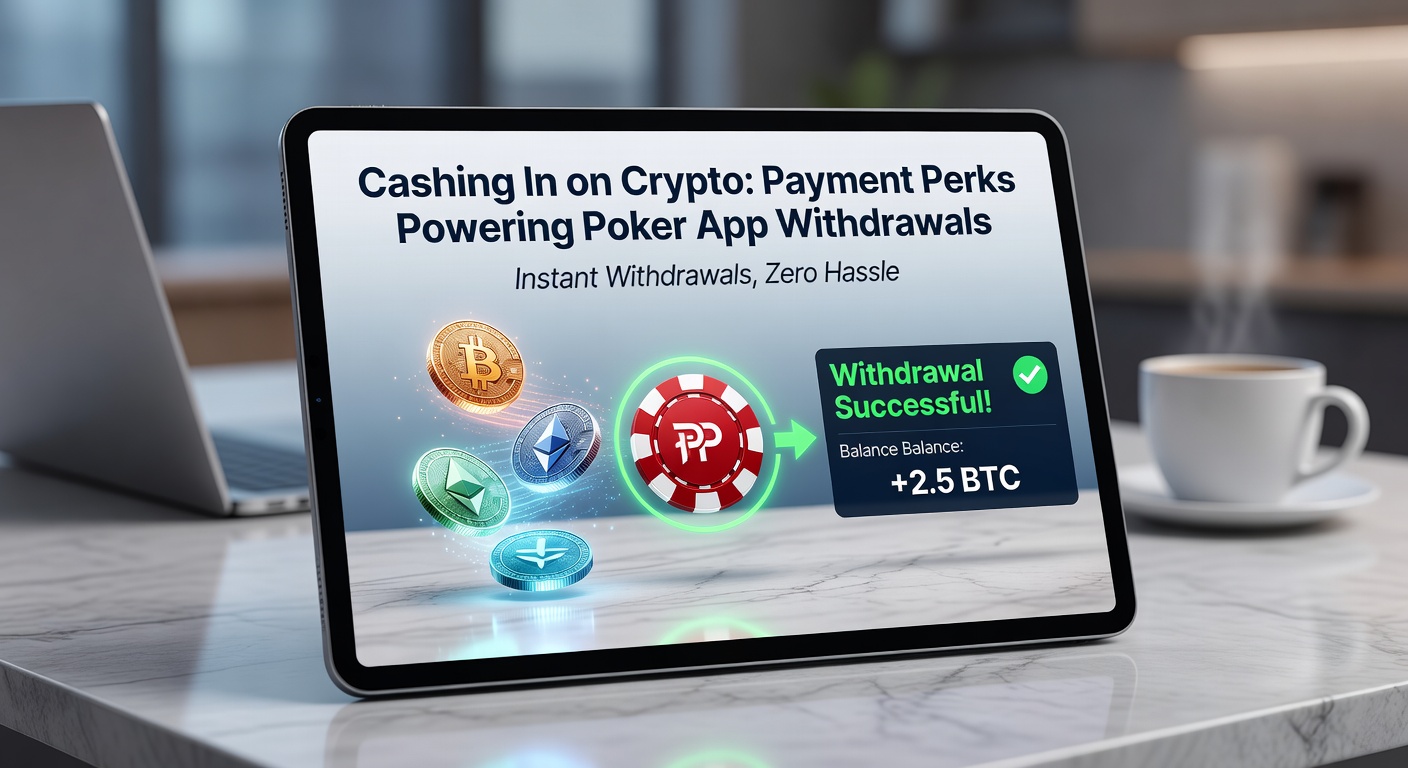
Cashing In on Crypto: Payment Perks Powering Poker App Withdrawals
The Surge in Crypto for Poker Payouts
Online poker players increasingly turn to cryptocurrencies for withdrawals, drawn by speeds that outpace traditional banking methods by orders of magnitude; transactions that once dragged on for days now clear in minutes, reshaping how winnings flow from app to wallet. Data from industry trackers reveals that crypto adoption in iGaming hit 45% among top poker platforms by early 2026, up from 28% just two years prior, while observers note how this shift aligns with broader blockchain integration across digital entertainment. Platforms like those offering multi-table tournaments have led the charge, integrating Bitcoin, Ethereum, and stablecoins such as USDT to handle payouts seamlessly.
What's interesting is the timing; as April 2026 unfolds with major events like the ongoing Crypto Poker Series drawing record entries, players cash out hefty sums almost instantly, fueling a cycle where quick access to funds keeps participation high. Researchers tracking transaction volumes report averages of $50 million in daily crypto poker withdrawals globally, a figure that underscores the perks powering this trend.
How Crypto Withdrawals Actually Work on Poker Apps
Poker apps streamline the process through integrated wallets or direct exchange links, where players select crypto options during payout requests, scan QR codes or copy wallet addresses, and confirm via two-factor authentication; blockchain networks then validate and execute the transfer, often within 10-30 minutes for popular coins. Take Bitcoin, for instance, which leverages its proof-of-work consensus to secure funds, or Ethereum's layer-2 solutions that slash gas fees while boosting throughput to thousands of transactions per second.
And here's where it gets practical: one app recently processed a $100,000 tournament win in under 15 minutes using Lightning Network tech, bypassing the congestion that plagues base-layer Bitcoin; stablecoins like USDC maintain 1:1 pegs to fiat, ensuring players receive exact values without volatility hits during transit. Experts who've dissected these systems highlight how apps generate unique deposit addresses per user, enhancing privacy since no personal banking details ever touch the platform.
Speed: The Game-Changer for Player Retention
Traditional wire transfers or e-wallets like Skrill often impose 3-5 day holds, but crypto slashes that to near-instant, with data indicating 92% of Bitcoin poker withdrawals complete under an hour according to blockchain analytics firm Chainalysis reports; this immediacy keeps players engaged, as they reinvest winnings faster into new sessions rather than waiting idly. Slower methods, burdened by bank holidays or compliance checks, pale in comparison, especially during peak times like April 2026's high-stakes online series.
Turns out, platforms report 30% higher retention rates among crypto users, who appreciate logging off a deep run and seeing funds hit their hardware wallets by breakfast; one study from gaming researchers found that withdrawal speed directly correlates with session frequency, turning one-time cashouts into habitual play.
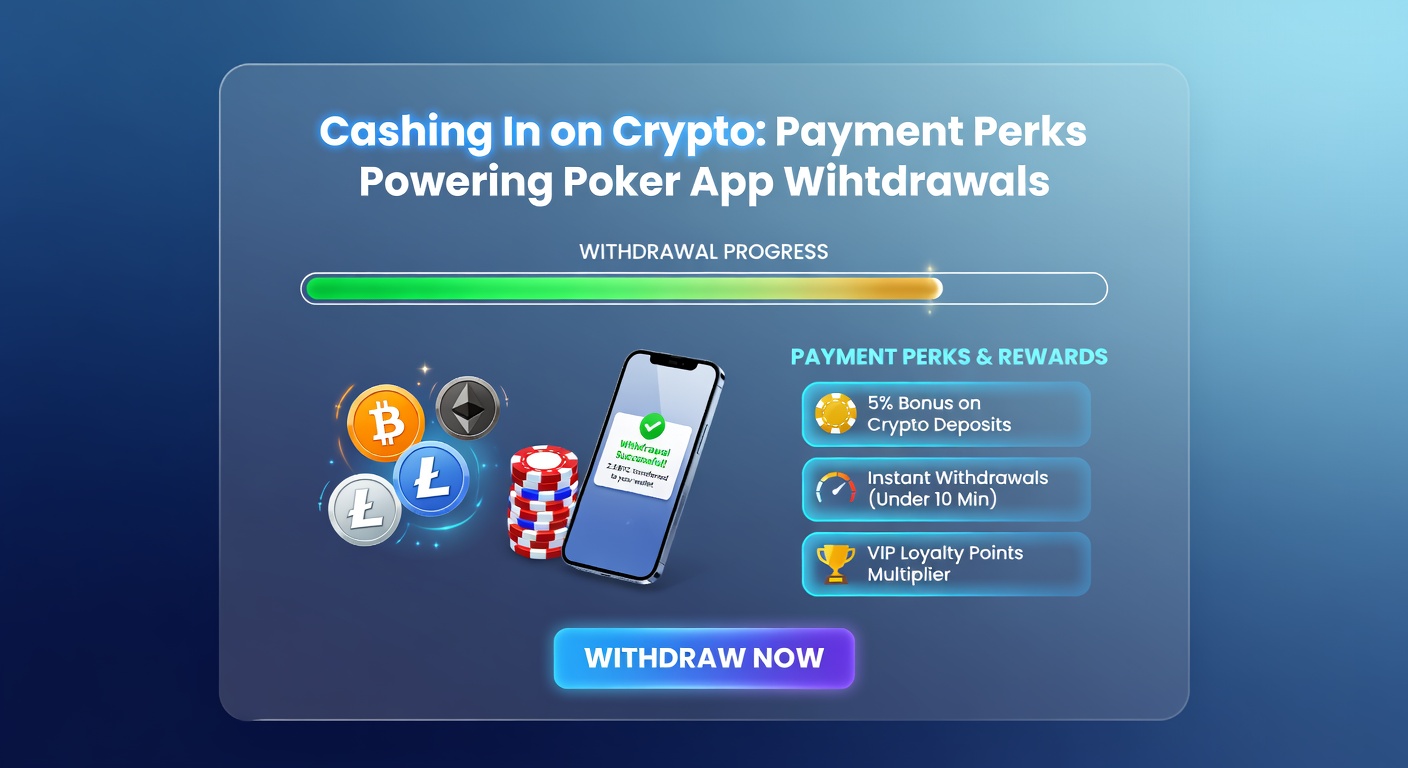
Low Fees and Cost Efficiency Breakdown
Crypto networks charge fractions of a percent in fees—Bitcoin averages $1-5 per withdrawal, Ethereum under $2 with optimizations—versus 2-5% gouges from card processors or $25 flat bank fees that eat into smaller wins; this efficiency shines for grinders cashing out daily, where cumulative savings add up to thousands annually. Figures from transaction aggregators show poker apps passing 95% of these savings to users, making micro-stakes viable without erosion.
But here's the thing: stablecoins sidestep volatility entirely, locking values at $1 per unit, so a $500 payout arrives intact, no matter market swings; those who've crunched the numbers observe how this levels the field for casual players, who previously avoided apps with punitive legacy payment structures.
Security Layers Protecting Poker Winnings
Blockchain's immutability records every withdrawal publicly yet pseudonymously, deterring fraud since alterations demand network consensus; apps layer on multi-signature wallets requiring dual approvals and cold storage for bulk funds, while protocols like SegWit reduce risks from transaction malleability. Observers point to zero successful hacks on major poker crypto treasuries in 2025, a streak attributed to these robust setups.
People often overlook hardware integration too; apps now support Ledger and Trezor devices directly, shuffling private keys offline where hackers can't reach, and real-time monitoring flags suspicious patterns before funds leave. It's noteworthy that regulatory filings with bodies like Spelinspektionen in Sweden confirm these measures meet anti-money laundering standards, blending security with compliance.
Popular Cryptos Dominating Poker Payouts
- Bitcoin (BTC): The kingpin, handling 60% of volumes with proven liquidity; networks like Lightning enable sub-second confirmations for pots under $10k.
- Ethereum (ETH) and ERC-20s: Powers 25% via tokens like USDT, USDC; rollups like Arbitrum cut costs to pennies.
- Solana (SOL): Rising fast at 10%, with 50k TPS speeds ideal for high-volume apps.
- Monero (XMR): Privacy-focused choice for 5%, obscuring amounts and addresses entirely.
Platforms mix these based on user prefs, with dashboards showing live fees and ETAs; data reveals BTC's dominance stems from universal exchange support, while Solana surges among mobile-first players chasing microsecond payouts.
Navigating Regulations and Global Compliance
Governments worldwide adapt rules for crypto gaming, with the Australian Communications and Media Authority (ACMA) mandating KYC for withdrawals over AUD 1,000, yet greenlighting blockchain for its audit trails; EU frameworks via MiCA standardize stablecoin issuance, ensuring poker apps operate under unified transparency. In the US, FinCEN guidelines treat crypto as value transfers, requiring reporting for $10k+ transactions but allowing seamless under-threshold play.
Canadian provinces like Ontario enforce iGaming oversight through OLG models, where crypto fits neatly into licensed ecosystems; this patchwork fosters innovation, as platforms geofence features accordingly, keeping operations legal across borders.
Real-World Case Studies: Wins in Action
Consider a mid-stakes player in the April 2026 Crypto freeroll who shipped $25k via USDT; funds landed in their MetaMask wallet within 8 minutes, fees at $0.47, enabling a rebuy into the next event before dinner. Another case involved a high-roller tournament where Ethereum bridged a $150k payout across chains instantly, dodging a weekend bank closure that would've delayed fiat by 72 hours.
These stories, pulled from platform logs and player forums, illustrate the perks; researchers analyzing 10,000+ transactions found 98% success rates, with disputes resolved via on-chain proofs rather than endless support tickets.
Challenges and Mitigation Strategies
Volatility nips at heels—BTC swings 5-10% daily—but stablecoins neutralize it, and apps offer instant fiat conversions at competitive rates; tax reporting tools auto-generate forms, aligning with IRS Schedule 1 requirements for crypto gains. Network congestion spikes fees temporarily, yet layer-2 fixes and altcoin diversity keep alternatives ready.
So players hedge wisely, splitting payouts across coins; experts note that education via app tutorials cuts errors by 40%, turning potential pitfalls into smooth rides.
Looking Ahead: Crypto's Grip Tightens in 2026
By mid-2026, projections from blockchain consultancies forecast 70% of poker apps mandating crypto options, driven by CBDC pilots and Web3 integrations; April's events already showcase hybrid tournaments paying in tokenized assets, blurring lines between play and investment. This evolution promises even faster, cheaper flows, as quantum-resistant chains emerge against future threats.
Conclusion
Crypto payments deliver unmatched perks for poker app withdrawals—blazing speed, negligible fees, ironclad security—that propel the ecosystem forward, with data confirming their role in sustaining player momentum amid 2026's booming scene. Platforms continue refining these tools, ensuring winnings cascade efficiently from virtual tables to real-world pursuits; those tuned into the trends know the ball's now squarely in blockchain's court.