
Avatar Customization's Unexpected Effects on Psychological Tactics During Virtual Table Interactions
Virtual table environments have expanded rapidly through 2026, and avatar customization now shapes how participants approach psychological elements of play at digital poker sessions, where visual representations influence opponent perceptions and self-directed strategies during interactions.
Researchers at institutions across North America and Europe have documented connections between avatar features and shifts in user behavior, particularly when those avatars display traits like height, attire, or facial expressions that users select before entering live dealer rooms or tournament lobbies.
Avatar Selection Patterns in Digital Poker Platforms
Players frequently adjust hair, clothing, and accessories to project specific images, and data from platform analytics shows increased customization activity ahead of major events scheduled for August 2026, including series hosted at venues like the Aria in Las Vegas. Those choices extend beyond aesthetics because selected traits align with intended approaches to bluffing, aggression, or passive observation during multi-table sessions.
Industry reports indicate that users who equip avatars with formal attire often extend session durations, while those opting for casual or exaggerated designs tend to initiate more frequent raises in early rounds, patterns tracked through aggregated user logs across North American operators.
Psychological Mechanisms at Work
The Proteus effect describes how individuals internalize characteristics of their digital representations, leading to corresponding adjustments in decision-making speed and risk tolerance during virtual interactions, and studies from the University of Southern California have measured these responses in controlled simulations involving card-based games. Participants who viewed taller avatars displayed greater willingness to contest pots, whereas shorter or neutral figures correlated with more cautious betting sequences.
Opponents also form rapid impressions based on visible avatar details, which can alter their own tactical responses such as folding rates or chat engagement, creating feedback loops that influence table dynamics without direct verbal exchange.
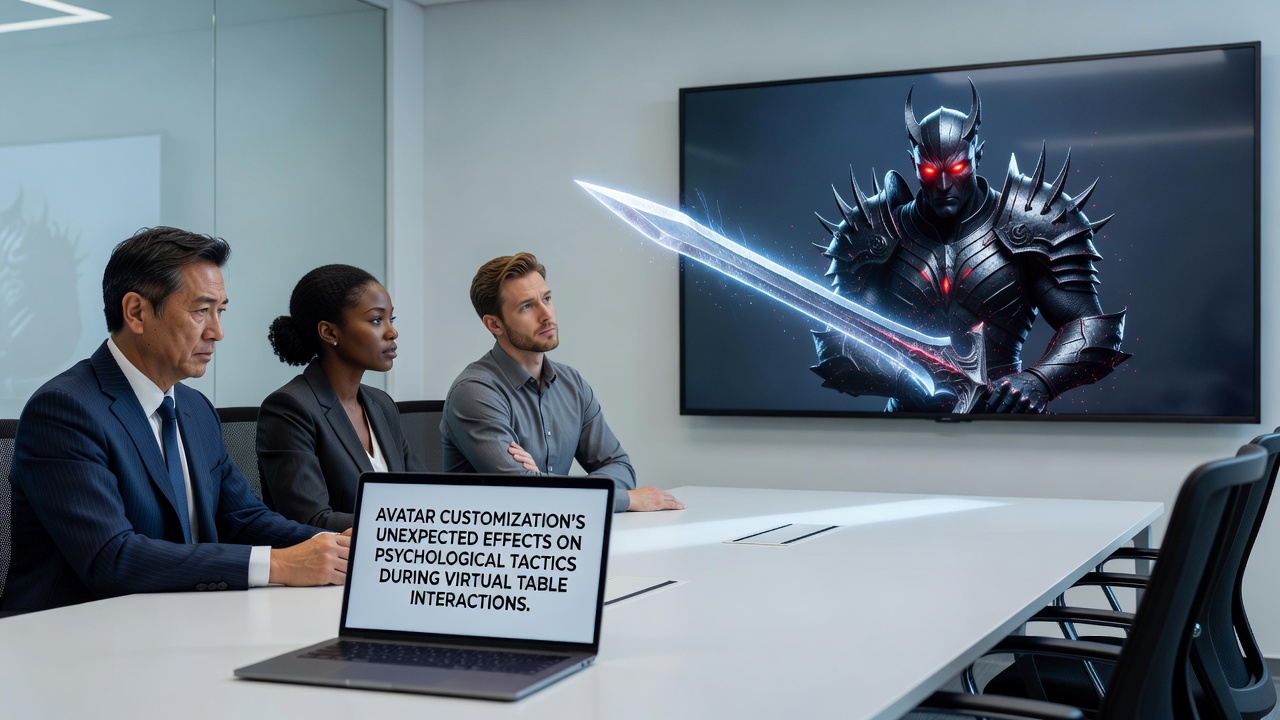
Additional findings from Canadian research institutions highlight how color palettes and accessory choices affect perceived competence, with certain combinations prompting opponents to adjust calling ranges in ways that favor the customizing player over repeated hands.
Observed Effects on Deception and Intimidation
Customization influences deception tactics because avatars that convey authority can prompt earlier folds from cautious participants, while humorous or non-standard designs sometimes reduce perceived threat levels and encourage continued involvement in marginal situations. Platform data collected through 2026 reveals measurable differences in hand win rates tied to these visual variables across thousands of sessions.
Those monitoring opponent avatars often adapt mid-session strategies, shifting from aggressive lines to containment approaches when facing representations associated with high-variance play, and similar adjustments appear in reports compiled by gaming associations in Australia and the European Union.
Platform Responses and User Adaptations
Operators have introduced tools that allow real-time avatar swaps between hands, and usage statistics demonstrate that players employ these features to reset psychological momentum after losing streaks or to test new opponent reactions. Verification processes for custom uploads ensure compliance with community standards while preserving the range of options that drive these tactical variations.
Training modules offered by some sites now incorporate avatar psychology modules, drawing on aggregated performance metrics to illustrate how visual selections intersect with bankroll management and table selection decisions.
Conclusion
Avatar customization continues to intersect with psychological tactics in virtual table settings through documented behavioral shifts and opponent perception changes, supported by ongoing research from multiple regions. Players and developers alike track these patterns as digital poker environments evolve through the remainder of 2026 and beyond.